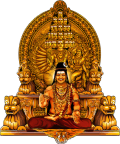
Kings of Sūrya Vaṃśa Sarvajnapeetha Surangi Samrajyam
The Dawn of Civilization
Evidence of ancient Hindu agriculture dates back to at least 16,000 BCE. The archaeological findings, such as tools used for agriculture and cattle, found on the banks of Lahuradewa Lake in eastern Uttar Pradesh have been carbon dated from 13,000 BCE to 7300 BCE. From this early civilization, the earliest Hindu civilizations formed and lived as per the sacred scriptures from Paramaśiva. These evidences are the earliest traces of human civilization, who were direct descendants of the lineage of the Sūrya Vaṁśa.
Vaivasvata Manu
The Vaivasvata Manvantara isthe current epoch that we live in,dated to have started 11, 275 years ago. This age was named after Vaivasvata Manu, who was the son of Vivasvān and was also known to have previously lived as the great king Shraddhadeva in another life. As King Shraddhadeva, he received the vision of Viṣṇu in his form as the Matsyavatara (a divine fish), who warned him of a great flood that would drown all the three worlds. He instructed that Manu should collect all the seeds, herbs, animals and board a ship along with the Seven great Rṣis (Saptarṣi) that would be sent to him. The king internalized his divine mandate, and many lifetimes of his passed. In his life as Vaivasvata Manu, the floods that were foretold became a reality. This same flood was discussed earlier in the chapter on the Kingdom of them Shyamalapeeta Sarvajñapeeṭha. Before the world was inundated, a great ship indeed appeared before him and he boarded the ship with the collections and companions that he was told to prepare. Then, Viṣṇu appeared again to guide the ship during the flood and safely harbored it on shores again. Thus, began then Vaivasvata Manvantara, the age of Vaivasvata Manu, who was the true progenitor of mankind. Vaivasvata Manu’s son was the King Ikṣvāk.
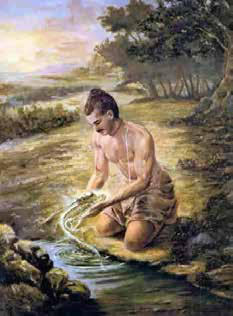
Vaivasvata Manu, heeding the words of the divine Incarnation of Viṣṇu in the form of Matsya (fish)
King Ikṣvāku
Ikṣvāku was the first king who executed the Manuvādhi Dharma Śāstra, the rules of Dharma by Manu, who was the first person to codify the Cosmic laws of the Universe into the governing laws of a country. These laws continued to form the basis of all laws and also much later the basis for the administration of the Kingdom of Madurai by the Enlightened Queen Mīnakṣi who ruled over all the 56 nations that constituted the planet at that time.
Depiction of King Ikṣvāku performing austerities
Brief History of Ayodyā
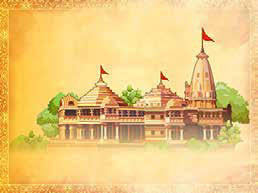
Ayodhyā is the most famous Hindu kingdom of yore, known for being the home of King Rāma and His glorious rule. However, it was not only Śri Rāmachandra Prabhu, but also many kings that preceded him, who worked for the reputation of Ayodhyā. Manu and his descendants were the founders of Ayodhyā Kingdom around 14,000 BCE. Hariśchandra I, the son of Triśanku, reigned around 13,450-13,400 BCE. The kingdom was guided by multiple lineages of extremely intelligent Rṣiṣ, like Rṣi Vaṣiṣta and Rṣi Viṣvamitra
King Bhagīratha
The 39th Chapter of the Śiva Purāṇa (narration ofthe divine play of incidents by Lord Paramaśiva) describes the 43rd King in the lineage – King Bhagīratha. He brought the celestial river Ganga to planet earth by the power of his penance and sacrifice to wash the sins of his ancestors, the sons of King Sāgara , who were burned by Lord Śrī Kapila Muni. Śrī Kapila Muni was the founder of the Sāṇkhya tradition which is the basis of all Vedantic* thought trends and the first head of the Mahanirvani Akhāda, the foremost Apex body of Sanātana Hindu Dharma
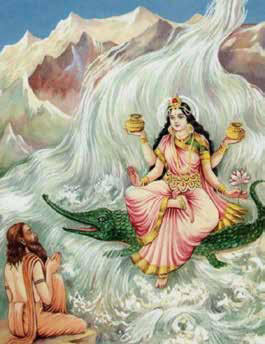
A depiction of Bhagīratha doing tapas to receive the celestial river Ganga on planet earth
King Hariśchandra
The 18 major Purāṇas are known as the Hindu History. Among these, the Markandeya Purāṇa reveals the bexemplary integrity of King Hariśchandra, the 31st ruler in the lineage. He went to extremes in keeping his integrity to Dharma where he sacrificed all his possessions, his name, fame, power, and kingdom at the feet of his Guru Viṣvamitra and attained liberation at the Manikarnika Ghat in Varanasi, North India
Bhagavān Śri Rāma
Lord Śri Rāma, the Divine Incarnation of Bhagavān Śrī Viṣṇu who was the absolute Puruṣa (a being with Highest Consciousness), blessed Planet Earth by being born as the 62nd King in this great lineage.
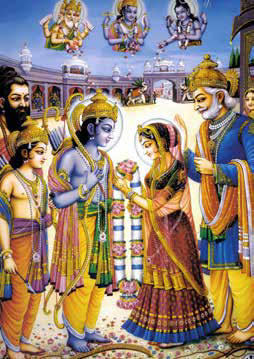
A depiction of the kalyana (marriage) of Śri Rāma with Devi Sita
Gautama Buddha
The Buddhist text called, “Mahavaṃśa” Chapter II, Lines 1-24, traces the origin of the lineage of Buddha, known as Sāṅkyas to King Ikṣvāku. It further reveals that Gautama Buddha, the royal Prince of the Sāṅkhyas and Ascetic of the Mahānirvaṇi Peetha of Kapila Mahamuni was the 140th King of this same lineage.
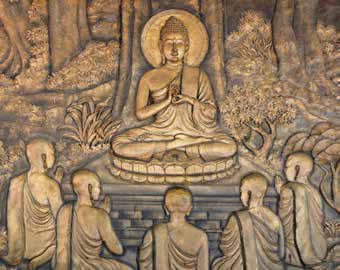
Tirthaṅkaras of Jaina Tradition
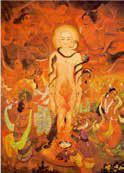
Twenty-four Tirthaṅkaras of the Jaina tradition were born into this dynasty as shown in the depiction on the left. The Jaina tradition is a branch of Hinduism. Today the most well known Jain teachings are of the 24th Tirthaṅkara, Mahavira Jain
Sodhi Rai, Guru Gobind Singh & the Gurus of the Sikh Tradition
Sodhi Rai, the son of the King Kuśa, and grandson of Bhagavān Śri Rām moved to Sanadh region in Gujarat where he married the king’s daughter. He then moved to Madra Desh (now called Punjab). King Sodhi Rai came to form the lineage called Sodhis. In this lineage, Śri Guru Gobind Singh was born. Śri Guru Gobind Singh was a prominent Guru of the Sikh religion who founded the warrior sect of Sikhism called Khalsa in the 17th Century.
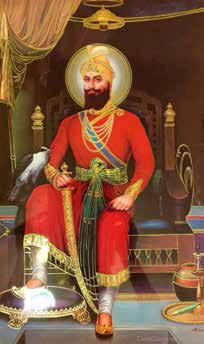
Of the lineage of “Sodhi,” which was started by Sodhi Rai, a very revered community of people emerged, in which Guru Gobind Singh was among the most honorable.
Chola Kings of Sūrya Vaṁśa
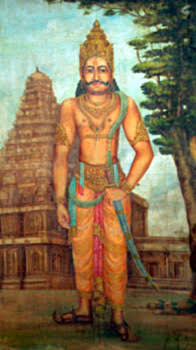
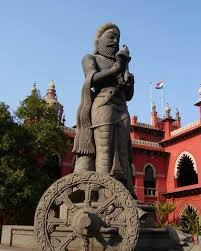
The Kings of the Great Chola Kingdom such as Karikala Cholan and Raja Raja Cholan who built the towering Śiva temple in Tanjore belonged to the Sūrya Vaṃśa. The Cholas worshipped Sūrya and built several Sūrya Temples. The Konark Sūrya Temple in present day Orissa was built by the Chola princess Kundavai Naachiyar who was the daughter of Raja Raja Chola and the wife of Vimaladitya.
The King Ellalan of the Sūrya Vaṃśa Chola Dynasty earned the title Manu Needhi Chozhan (upholder of the Law of Manu) for his adherence to righteousness and justice. These laws were codified by the originator of the Sūrya Vaṃśa Dynasty, Manu. King Ellalan earned his reputation when he went to the extreme of following righteousness when he heard his own son had killed a calf. He restored justice to the mother cow whose calf died due to his son’s reckless behavior by killing his own son.
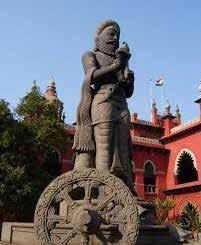
Depiction King Ellalan (Manu Neethi Cholan)
The Civilization Which
Rose from Ashes
As a kingdom sprawling the expanse of northern India, it faced the most brutal attacks time and time again. However, no matter the severity of the destruction, the civilization rebuilt itself from the start every single time they faced attack. One of the earliest and most brutal attacks was that of Mahmoud Ghazni, who killed 50,000 people in just one invasion, plundered the Somanath temple treasure, and desecrated the Śiva Linga. He hammered the sacred Śiva Linga of Somanath Himself and took the broken pieces of the Linga to Ghazni to construct the steps of mosques in Mecca and Medina.
The world famous Somanath temple of the Sūrya Vaṁśa in Gujarat has faced a continuous onslaught of attacks at the hands of Islamic invader throughout history but still stands tall today as a testament to the strength of this lineage
50,000 People brutally murdered by Mahmoud of Ghazni
The Legacy of Rajput Kings
From the 6th Century, the lineage of Ikṣvāku was known as the “Rajput” dynasty, who were warriors of the ultimate courage and skill, defending Hindu civilization on all fronts from barbaric invasions. These kings and rulers upheld the eternal principles of Sanātana Hindu Dharma in the medieval era, just as the Vijayanagara and Hoysala did in the South.
One of the notable kings was the Rajput King Maharana Pratap.
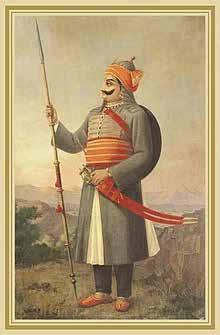
King Maharana Pratap
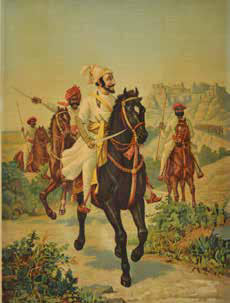
Chatrapati Śivaji
Chatrapati Śivaji, a name which invokes true pride of Hindu bravery, lived from 1630 to 1680 and fought hard to protect a large part of the Southern Hindu civilization from destruction by Mughals. Chatrapati Śivaji was also a Rajput king who belonged to the Sūrya Vaṁśa
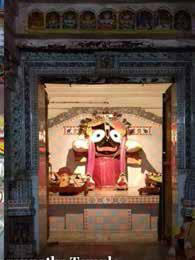
Temple of Jagannath Puri
Lord Jagannath of Puri, one of the main deities of Orissa, is one of two Kula Devatas (community deities) worshiped by the Royal clan of the Surāngi Kingdom. The deity is of Bhagavān Śri Krṣṇa, and one of the most ancient temples still upholding the worship of Śri Krṣṇa until today. Jagannath Temple in Surāngigada (a name for the region used earlier) was built by the king of Surāngi during the 2nd part of the 18th century. He also donated lands for maintenance of the deities. The deity, Jagannatha (called locally as Dabhi Baman Jew) in Orissa, India, is worshiped by the Surāngi Royal Lineage.
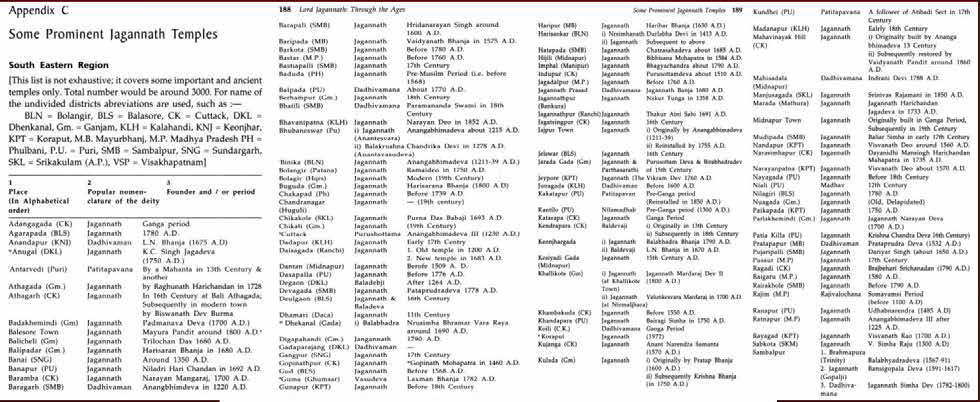
Consensus taken by the Jagannath Puri Temple Administration of its 3000 branch temples
Kruṇashini Shrine
Kruṇashini Devi, one of the main deities of Orissa, is the second Kula Devata worshiped by the Royal clan of the Surāngi Kingdom. There are only few surviving temples of the Kruṇashini Devi that is protecting the tradition of the region, and one of them is photographed at the right.

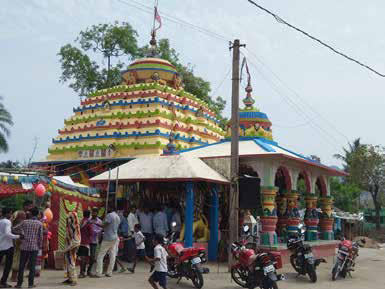
Kruṇashini Shrine
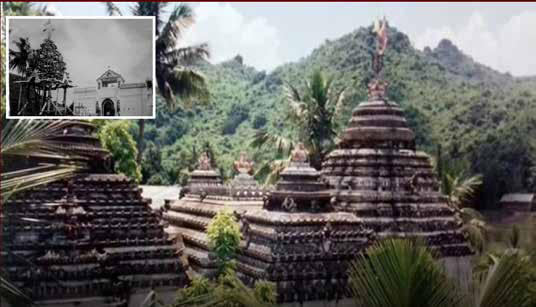
photos of the exterior of the Jagannath Puri temple
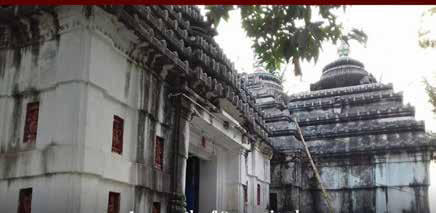
photos of the exterior of the Jagannath Puri temple
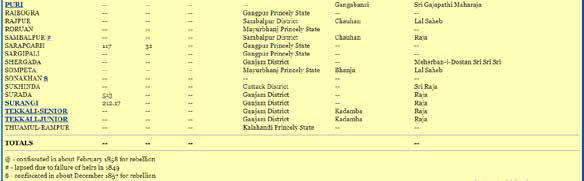
The Kingdom of Surangi
The Kingdom of Surangi was once a highly significant part of the ancient enlightened Sanātana Hindu civilization, covering an extensive area that contributed 45% of the world GDP at its peak. This was the highest GDP in the world before the Islamic invasions. By the accession to British rule in 1953, this prosperous kingdom lost much of its land and influence. The region now exists as a shadow of its former self, reminding us of the rich history it once held within its borders.
The Colonial Era
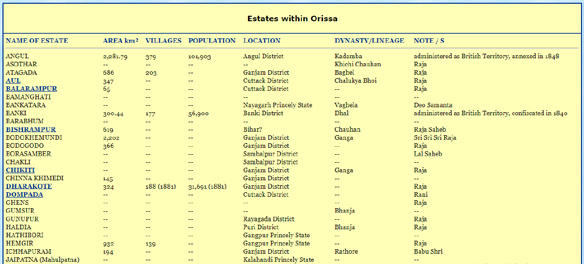
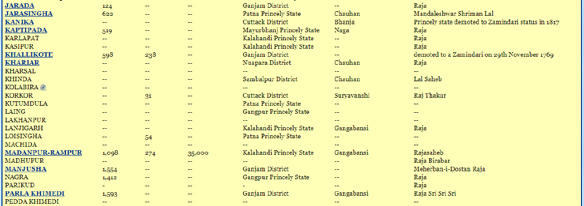
Prior to the British rule of India, the Hindu civilization existed as a diverse population of indigenous kingdoms and traditions. During the colonial era, when the British occupied India, Hindu kingdoms maintained their sovereignty and were recognized as “princely states.” Even through this impoverished time for the Hindu civilization under the foreign rule of the British, Hindu kingdoms still maintained their political legitimacy. Surāngi was among these kingdoms. Historical Reference: The Australian Research by Dr. Henry Soszynski – shows the Surāngi kingdom was recognized as an independent princely state by the British Government ruled by the “Raja” (King). The following is taken from a study of Orissa estates during the 19th century.
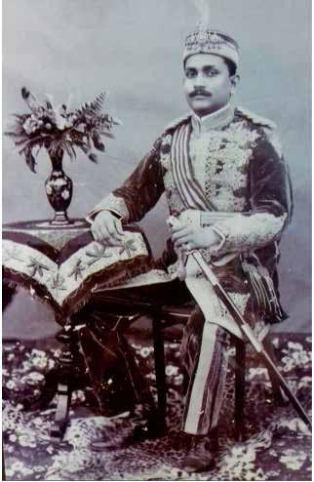
Raja Chandrachudamoni Harishchandra Jagdev of Surangi Estate, who shifted the palace of Ichapuram to its current day location
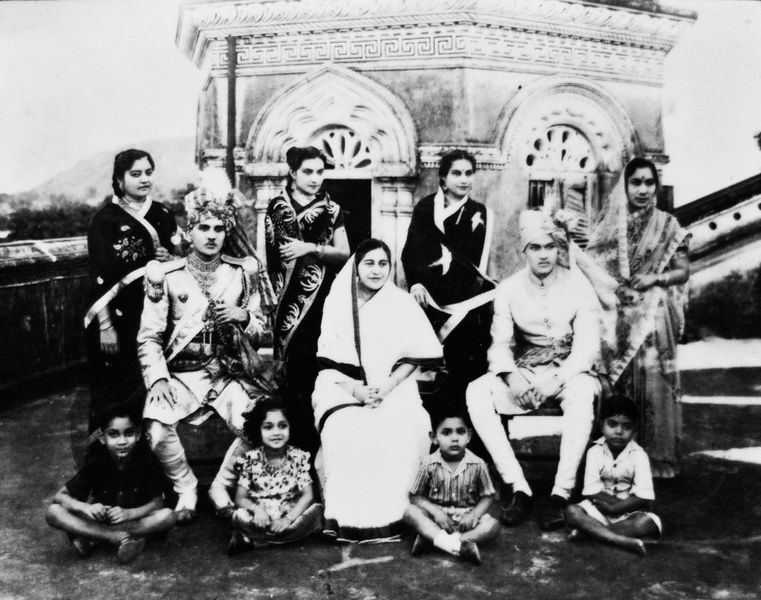
Rani Soubhagya Manjari Devi and Family
In the 17th Century, the Kingdom of Surāngi was ruled by Raja Dinabhadu Hariśchandra Jagdev who was the Guru of Abhimanyu Samant Singhar, the famous 17th century composer.
His son Raja Keshab Raj Hariśchandra Jagdev, Raja of Surāngi (1697 to 1715), composed the Rasa Sindhu Sulakshana, a well known composition today, and his son Raja Mukund Hariśchandra Jagdev, Raja of Surāngi was also a composer and a musician who played the Veena (ancient string instrument)
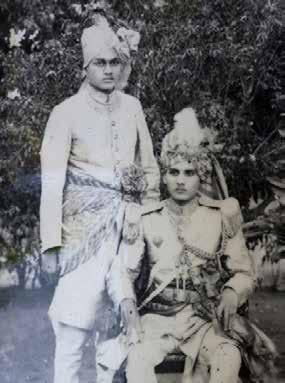
Raja Kirti Chandra Deo and Sandeo Jaychandra Deo
From a consensus in 1953, the number of villages of the Surāngi kingdom was 129 consisting of 117 raiyati villages (villages with cultivable lands) and 12 inam (gifted lands) (7 pre-settlement and 5 post-settlement). The records show that the name of the last Zamindar (owner) was Śri Puma Chandra Hariśchandra Jagat Deo, who is the king of Su
Relocation of Rajput Kings to Ichapuram
Raja Chandrachuda Mani Hariśchandra Jagdev of Surāngi shifted his palace from Surāngi to its current location in the city of Ichapuram and was succeeded to the throne by Raja Purna Chandra Deo Harishchandra Jagadev.
This kingdom was fully recognized by the British as an independent state, with its own sovereignty and ability to levy taxes, the extent of the territory being 212 Sq. Km comprising of 129 villages.
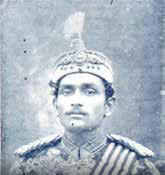
Raja Chandrachuda Mani
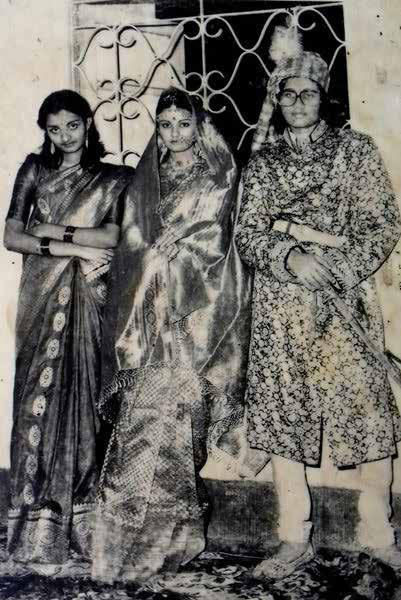
Pato Jema Manoja Manjari Devi with Sana Rani Jema Manjula Manjari Devi and Late Raja Hrudaya Chandra Deo
Loss of Sovereignty
In 1947, upon leaving India, the British empire had given a choice to the ancient, indigenous kingdoms of the region to remain independent, to join the Indian State, or to join the Islamic State of Pakistan. The Hindu kingdoms chose to remain independent. However, the kingdom was annexed post-independence by the Indian Union in 1953 along with other Rajput States, in violation of international laws including the Covenant of the League of Nations and subsequently Article 2(4) of Chapter I of the UN Charter. They were only allowed to retain their lineage and titles and certain properties specifically owned by them. During this period, 212 Km2 of the Surāngi Kingdom comprising of 129 villages, were under the threat of invasion. They were forcibly and illegally dispossessed from the indigenous rule and made a part of the secular Indian Union using the instrument of accession which was introduced by the Government of India Act of 1935. Kings were forcibly made to sign one-sided agreements, resigning their sovereignty to the British. The annexation of the Hindu kingdoms was an immoral act because neither the Indian Union had the right to annex the kingdoms, nor did the kings have the right to abdicate the throne. The kings were merely regents of the presiding deity and never had the right to give away the kingdoms. As per the accepted practice, when a king does abdicate the throne, the kingdom’s ownership falls back to the original ruler, namely the Guru (spiritual head) or the presiding deity.
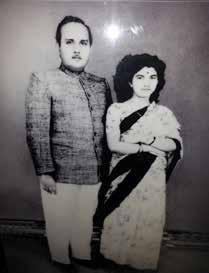
The Age-Old Lineage Enters the 21st Century
1933 – 1993
Raja Kirti Chandra Deo Hariśchandra Jagadev, Raja of Surāngi, who lived from the 13th June 1933 to November of 1993, ruled the Kingdom of Surāngi during his lifetime and also represented the Ichapuram constituency as a Member of the Andhra Pradesh Legislative Assembly in 1961. His eldest daughter Rani Manoja Manjari Devi was adopted into another family early in her life.
1993 – 2004
His son Raja Hrudaya Chandra Deo Hariśchandra Jagadev, born on the 9th March 1966, died unmarried and childless on 13th September 2004.
The younger daughter of Kirti Chandra, Rani Sana Jema Manjula Manjari Devi (Mrs. Manjula Pooja Shroff), then assumed the position of the Queen of the Surāngi Kingdom.
UNTIL 1947
Surviving from the the mists of time, the Sūrya Vamsa Surangi Samrajya emerged in the 20th century as one of the oldest dynasties after withstanding attack after attack. The Sūrya Vamsa Surangi Samrajya was among the independent Sanātana Hindu Sovereign Kingdoms.
1947
While these ancient Sanātana Hindu kingdoms were being pushed to the verge of extinction, in January 1947, the Prime Minister of India, Jawaharlal Nehru rejected their sovereignty. He threatened that independent India would not accept their sovereign immunity and rights of kings. Further, Nehru illegally declared any princely state refusing to join the Constituent Assembly would be treated as an enemy state.
1947-1953
Due to massive destruction and plundering of the ancient enlightened Sanātana Hindu civilization, the Kingdom of Surangi was reduced to just 212 km2 and 129 villages by 1947.
1953
The territorial land of the Hindu Rajput Kingdom of Sūrya Vamsa Surangi Sāmrājyam Sarvajnapeetha Surangi was annexed.
Kings of of Sūrya Vaṃśa Sarvajnapeetha Surangi Samrajyam
The Kings of the Great Chola Kingdom such as Karikala Cholan and Raja Raja Cholan who built the towering Śiva temple at Tanjore (South India) belonged to the Sūrya Vaṃśa. The Cholas worshipped Sūrya and built several Sun Temples including the Konark Sun Temple in present day Orissa, which was built by the Chola princess Kundavai Naachiyar who was the daughter of Raja Raja Chola and the wife of Vimaladitya.
The King Ellalan of the Sūrya Vaṃśa Chola Dynasty earned the title Manu Needhi Chozhan (upholder of the Law of Manu) for his adherence to righteousness and justice and to laws codified by the originator of the Sūrya Vaṃśa Dynasty, Manu. He was known for giving justice to a cow whose calf was killed by his own son when driving a chariot carelessly.
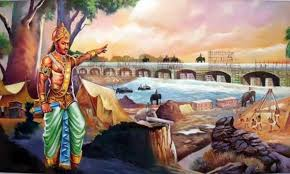
Defenders of Bharat: Rajput Kings
From the 6th Century AD the Sūrya Vaṃśa lineage of Ikṣvāku has been called by modern nomenclatures as the Rajputs and who were warriors of the ultimate courage and skill who defended Bharat (India) from the invading barbarian tribes from the west and who were rulers who upheld the eternal principles of Sanātana Hindu Dharma.
The famous Rajput King Maharana Pratap was born 247 generations after King Ikṣvāku in the same lineage of the Sūrya Vaṃśa.
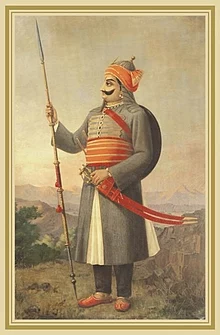
King Maharana Pratap
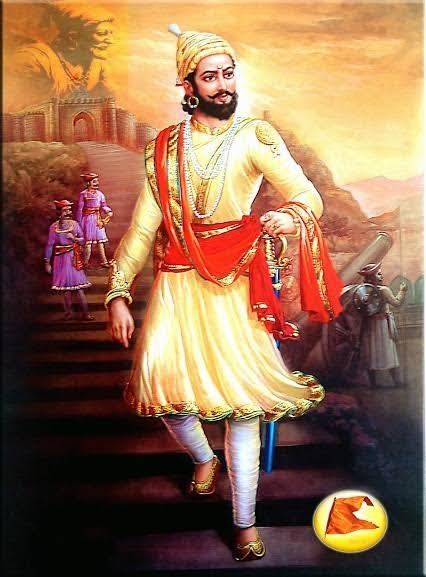
King Chhatrapati Shivaji
Chhatrapati Shivaji (1630–1680) the great King of the Maratha Empire who fought hard to protect a large part of Southern India and its heritage from the destruction by the Mughals belongs to the lineage of the Sūryavaṃśi Sisodia Rājputs.
Kailaasa Paramparagatha Surya Vamsa Sarvajnapeetha Surangi Samrajyam
Lineage in the 20th Century
The Rajput Kingdom of Surangi, The Sūrya Vaṃśa Sarvajna Peetha Surangi Samrajyam, was ruled by great Kings who were descendants of King Harishchandra, occupying the region in the north of present-day Andhra Pradesh and near the border of present-day Orissa and is today the only surviving living tradition of this great lineage.
In the 17th Century, the Kingdom of Surangi was ruled by Raja Dinabandhu Harishchandra Jagdev who was the Guru of Abhimanyu Samant Singhar, the famous 17th-century composer.
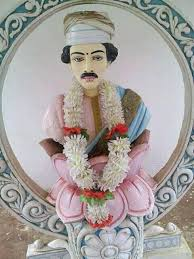
Abhimanyu Samant Singhar
His son Raja Keshab Raj Harishchandra Jagdev, Raja of Surangi (1697 to 1715), composed the Rasa Sindhu Sulakshana and his son Raja Mukund Harishchandra Jagdev, Raja of Surangi was also a composer and a musician who played the Veena.
His son Raja Chandrachuda Mani Harishchandra Jagdev of Surangi shifted his palace from Surangi to its current location in the city of Ichapuram and was succeeded to the throne by his son Raja Purna Chandra Deo Harishchandra Jagade.
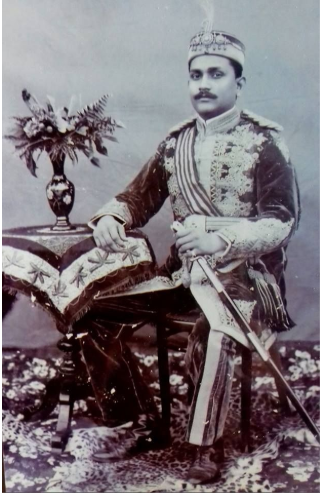
Raja Chandrachudamoni Harishchandra Jagdev of Surangi Estate
British invasion and remaining extent of the Surangi Kingdom
In Post Independence India, most of the Kingdoms of the Suryavamshis were usurped into the dominion of the Indian Union by the invading British, but allowing them to retain their lineage and titles and certain properties specifically owned by them.
During this period, 212 Sq. Km of the Surangi Kingdom comprising of 129 Villages were under serious threat of invasion, forcibly and illegally dispossessed from the Kingdom and made a part of the secular Indian Union using the Instrument of accession which was introduced by the British Government of India Act 1935
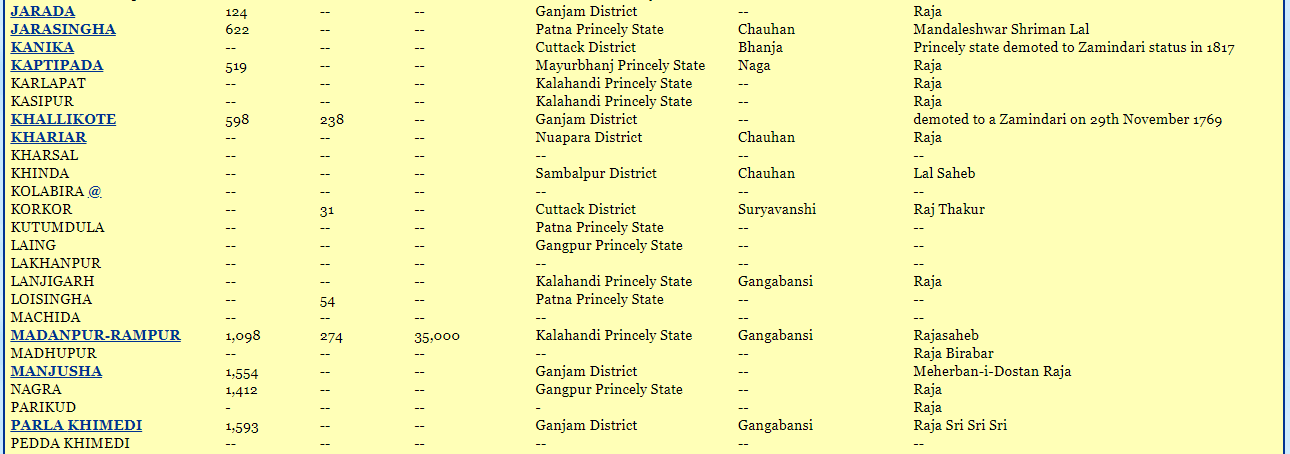
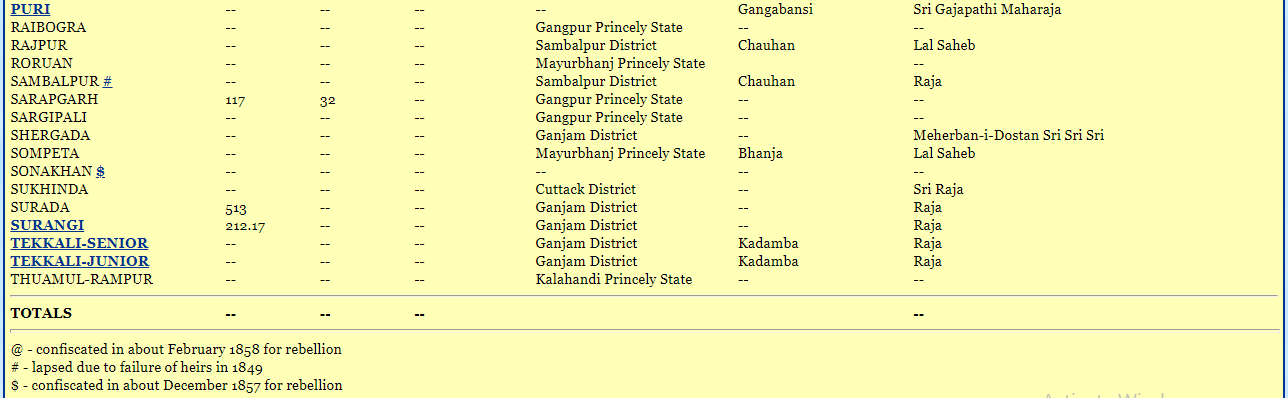
(Ref: Australian Research by Dr. Henry Soszynski – showing that Surangi was recognised as an independent princely state by the British Government ruled by the “Raja” (KING) – Study of Orissa estates during the 19th century).
Source: https://members.iinet.net.au/~royalty/ips/misc/orissa_estates.html)
Continuation of the lineage of the Surangi Kingdom
Raja Kirti Chandra Deo Harishchandra Jagadev, Raja of Surangi, 13th June 1933 – Nov 1993, ruled the Kingdom of Surangi during his lifetime and also represented the Ichapuram constituency as a Member of the Andhra Pradesh Legislative Assembly in 1961.
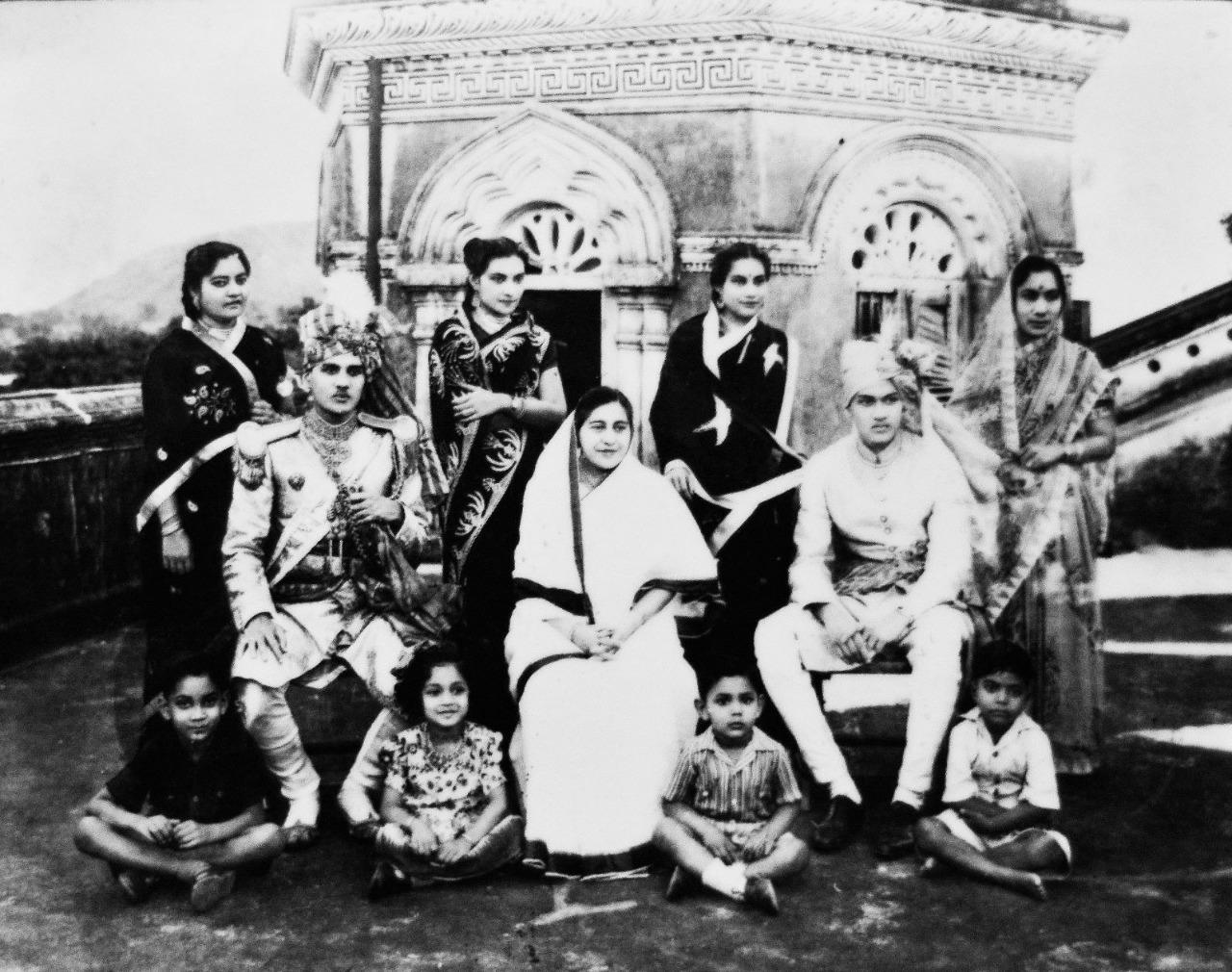
Rani Soubhagya Manjari Devi and Family
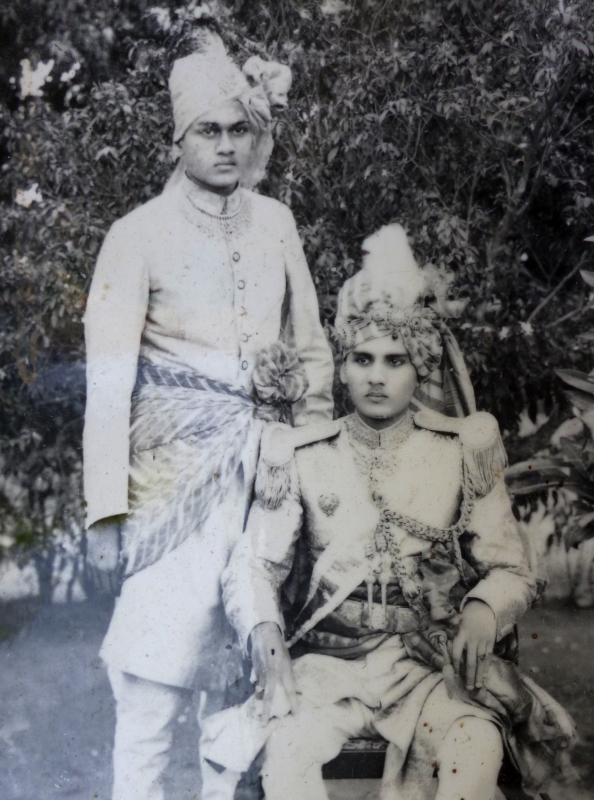
Raja Kirti Chandra Deo and Sandeo Jaychandra Deo
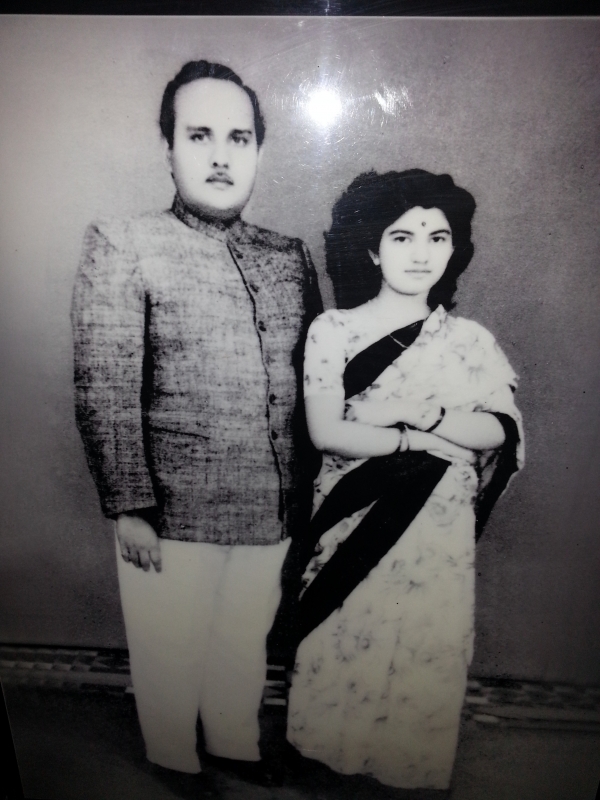
Late Raja Saheb Kirti Chandra Deo and Rani Saheba Soubhagaya Manjari Dev
His elder daughter Rani Manoja Manjari Devī was adopted into another family early in her life.
His son Raja Hrudaya Chandra Deo Harishchandra Jagadev, Raja of Surangi, born 9th March 1966, died unmarried and childless on 13th September 2004.
His younger daughter, Rani Sana Jema Manjula Manjari Devi (Mrs. Manjula Pooja Shroff), then assumed the position of the Queen and Heiress of the Surangi Kingdom.
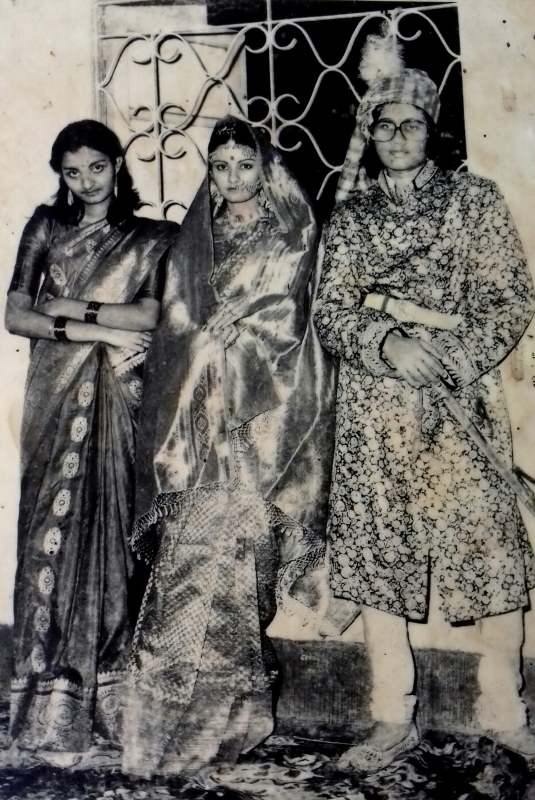
Pato Jema Manoj Manjari Devi with San Rani Jema Manjula Manjari Devi (Mrs. Manjula Pooja Shroff) and
Late Raja Hrudaya Chandra Dev
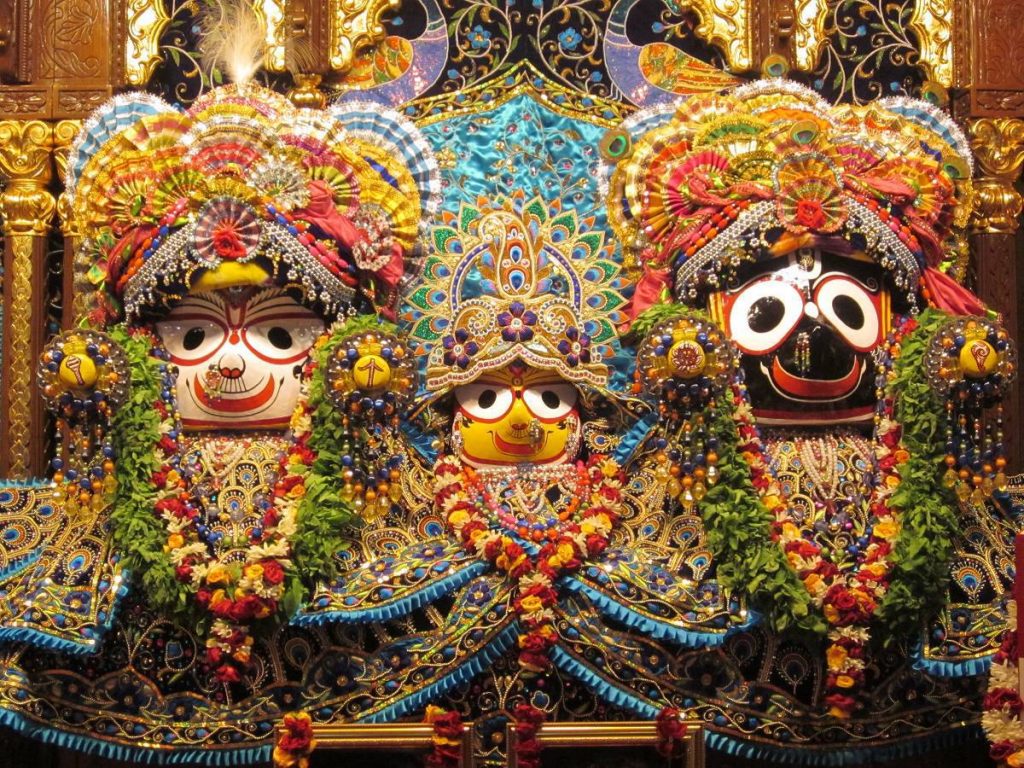
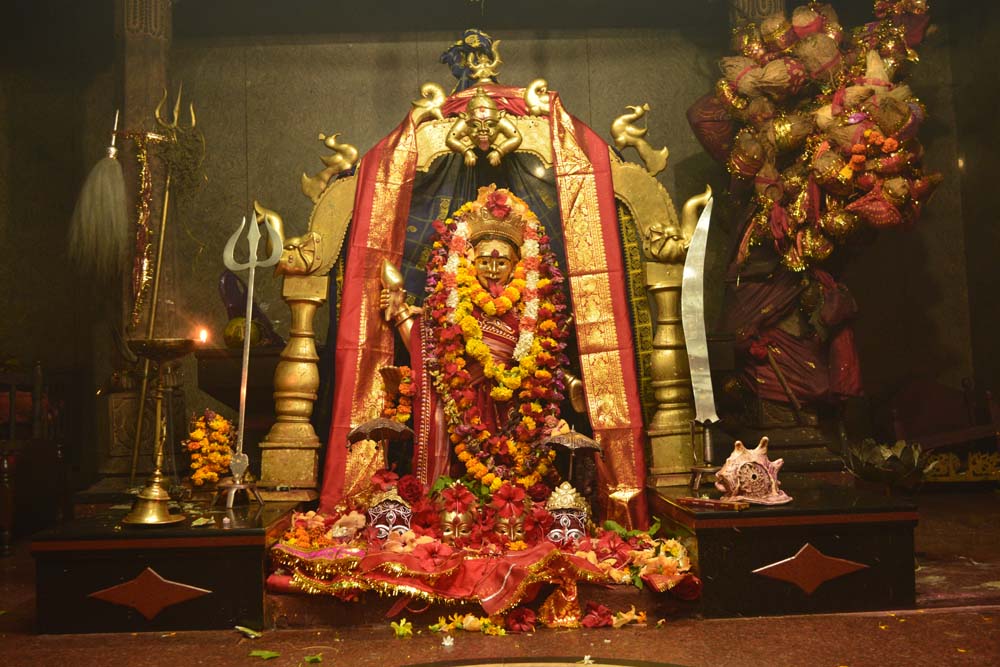
Lord Jagannath of Puri (top) and Akarshini Devi (Taratarini Devi at the bottom), the main deities of Orissa are the Kula Devatas, deities worshipped by the Royal clan, of the Surangi Kingdom.